

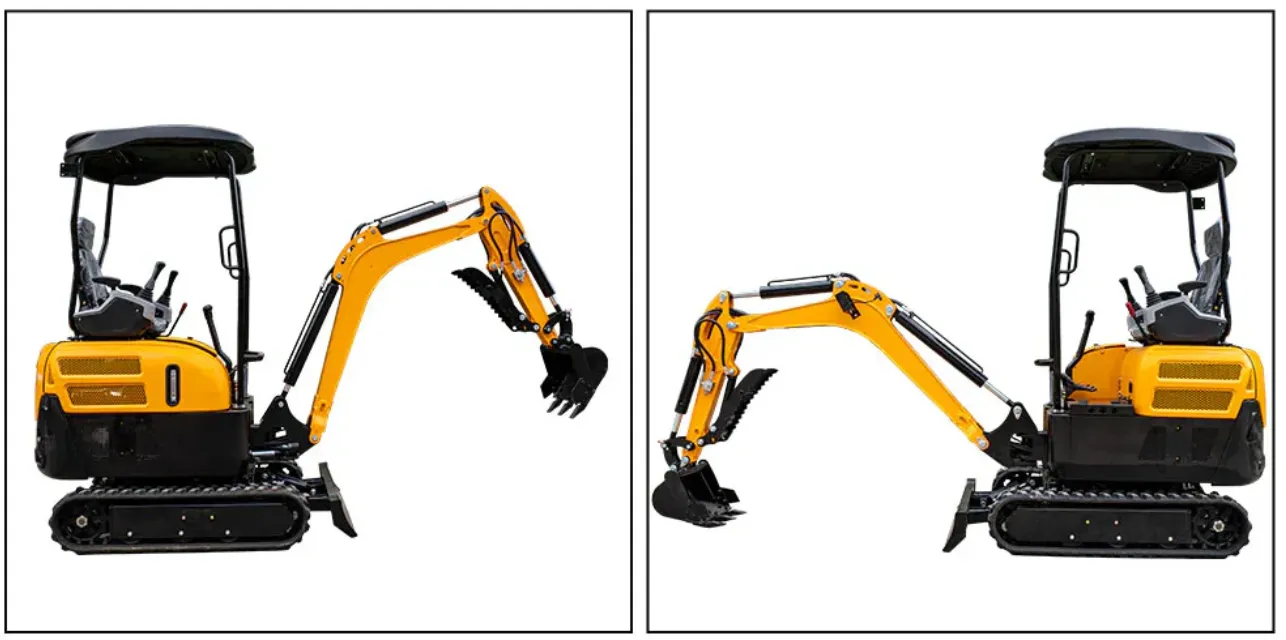
Introduction
If you are planning to work in construction, landscaping, mining, or heavy equipment operation, one of the first questions you may ask is: how much do excavator operators make in the United States? Excavator operators play an important role on job sites. They dig trenches, move soil, clear land, prepare foundations, and handle many tasks that require skill and safety awareness.
Pay can vary based on experience, location, industry, certifications, and the type of equipment used. Some operators earn steady entry-level income, while experienced professionals can make much higher wages, especially with overtime or specialized projects. This guide explains average pay, salary ranges, factors that affect income, and how to increase your earning potential as an excavator operator.
Average Excavator Operator Salary in the US
In the United States, excavator operators usually earn between $41,000 and $55,000 per year on average. Hourly pay often falls between $20 and $27 per hour, but experienced operators in high-demand areas may earn more.
The answer to how much do excavator operators make depends heavily on the source of the data and the exact job title. Some job boards use “excavator operator,” while government data may group the role under heavy equipment, excavating, loading, or dragline machine operators.
A general pay breakdown looks like this:
- Entry-level operators: around $37,000–$45,000 per year
- Mid-level operators: around $45,000–$60,000 per year
- Experienced operators: around $60,000–$75,000+ per year
- Specialized or overtime-heavy roles: can go higher depending on project type
The digger operator salary may also appear under different names online. In the US, “excavator operator” is more common, while “digger operator” is often used in the UK, Australia, and some other regions.
Excavator Operator Wages by Hour
Hourly pay is important because many construction workers are paid based on hours worked, not just yearly salary. Excavator operator wages can increase quickly when overtime, weekend work, night shifts, or union projects are involved.
Typical hourly pay may look like this:
- Beginner level: $18–$22 per hour
- Average operator: $23–$27 per hour
- Skilled operator: $28–$35 per hour
- Highly experienced operator: $35–$40+ per hour
Operators working on large commercial construction, roadwork, demolition, utility installation, mining, and oilfield projects may earn more than those working on small residential jobs.
What Affects Excavator Operator Pay?
Not all operators earn the same amount. Several key factors decide the final salary.
1. Experience Level
Experience is one of the biggest salary factors. A new operator may start with basic trenching, loading, or grading tasks. Over time, they learn how to work in tight spaces, read site plans, handle different soil conditions, and operate with more precision.
An experienced operator who can work safely and efficiently is more valuable to employers. This is why excavator operator wages usually rise with years of practical job-site experience.
2. Location
Location has a strong impact on pay. States and cities with a higher cost of living or stronger construction demand often pay more. Operators may earn higher wages in areas with major infrastructure projects, mining operations, commercial development, or energy-related work.
For example, operators in Alaska, California, Texas, Colorado, and some northern states may find better-paying opportunities depending on the project and employer.
3. Industry Type
Excavator operators work in several industries, including:
- Residential construction
- Commercial construction
- Road and highway construction
- Demolition
- Landscaping
- Utility installation
- Mining
- Oil and gas support
- Land clearing
Mining, pipeline, infrastructure, and large-scale civil construction jobs often pay more than small residential projects because they require higher skill, stronger safety standards, and more demanding work conditions.
4. Certifications and Licenses
A formal certification is not always required for every excavator job, but it can improve your chances of getting hired. Employers often prefer operators who understand machine safety, OSHA rules, site awareness, and equipment maintenance.
Useful qualifications may include:
- OSHA safety training
- Heavy equipment operator training
- Commercial driver’s license for transport-related roles
- Equipment-specific training
- First aid or job-site safety certification
Better training can help increase the digger operator salary, especially when applying for higher-level construction or infrastructure jobs.
5. Type of Equipment Operated
Operators who can handle more than one machine often earn more. For example, someone who can operate excavators, skid steers, bulldozers, backhoes, wheel loaders, and compact equipment may be more useful on a job site.
Employers value flexible workers because they can move between tasks without needing extra staff.
How Much Do Excavator Operators Make Compared to Other Equipment Operators?
Excavator operators usually earn similar pay to many heavy equipment operators. However, the exact income depends on machine type, job risk, industry, and experience.
Compared to general construction laborers, excavator operators often make more because the work requires machine control, safety awareness, and technical skill. Compared to crane operators or highly specialized mining equipment operators, excavator pay may be lower in some areas.
Still, the job can be a strong career path because construction, roadwork, land development, and utility installation continue to need skilled operators.
Entry-Level Excavator Operator Pay
Entry-level workers usually start with lower wages while they learn the basics. They may begin as laborers, spotters, equipment assistants, or trainees before operating machines full time.
A beginner may earn around $18–$22 per hour, depending on the company and location. With training and job-site experience, pay can improve within the first few years.
To grow faster, new operators should focus on:
- Learning safe machine operation
- Understanding job-site signals
- Practicing smooth digging and grading
- Maintaining equipment properly
- Showing up on time and working reliably
- Learning from senior operators
The more dependable and skilled you become, the easier it is to move into better-paying roles.
Experienced Excavator Operator Wages
Experienced operators can earn much more than beginners. A skilled operator may handle deep trenching, slope work, demolition support, foundation digging, drainage projects, and utility work.
Higher excavator operator wages often go to workers who can:
- Read grading plans
- Work around underground utilities
- Dig with precision
- Operate safely in tight spaces
- Handle larger machines
- Train junior workers
- Work in difficult weather or terrain
Experienced operators may also earn more through overtime. In construction, overtime can make a big difference in yearly income, especially during busy seasons.
How to Increase Your Excavator Operator Salary
If you want to earn more, focus on improving your skill, reliability, and job options. Here are practical ways to raise your income:
- Get formal heavy equipment training
- Build experience with different machine sizes
- Learn grading, trenching, and utility work
- Keep a clean safety record
- Apply to union or government projects
- Work in high-demand states or cities
- Learn basic equipment maintenance
- Add CDL or other job-related certifications
- Gain experience in mining, roadwork, or pipeline projects
A higher digger operator salary often comes from becoming more than just a machine operator. Workers who understand the full job site, communicate well, and prevent costly mistakes are more valuable.
Is Excavator Operation a Good Career?
Yes, excavator operation can be a good career for people who enjoy hands-on work, outdoor job sites, and heavy machinery. The work can be physically and mentally demanding, but it can also provide stable income and long-term growth.
This career may be a good fit if you:
- Like working with machines
- Can follow safety rules
- Have good hand-eye coordination
- Enjoy construction or land work
- Can work in changing weather
- Want a practical trade skill
The job also gives workers a path to advance into foreman roles, site supervision, equipment management, or independent contracting.
FAQ
1. How much do excavator operators make per hour?
Most excavator operators in the US earn around $20–$27 per hour on average. Beginners may start lower, while experienced operators can earn $30 per hour or more depending on location and project type.
2. What is the average digger operator salary?
The average digger operator salary in the US is commonly between $41,000 and $55,000 per year. The term “digger operator” is less common in the US, but it usually refers to an excavator operator or similar heavy equipment operator.
3. Do excavator operator wages increase with experience?
Yes. Excavator operator wages usually increase as operators gain more job-site experience, learn advanced digging techniques, operate larger machines, and work on more complex projects.
4. What industries pay excavator operators the most?
Mining, oil and gas support, pipeline work, road construction, demolition, and large civil construction projects often pay higher wages than small residential jobs.
5. Do you need certification to become an excavator operator?
Certification is not always required, but training can help you get hired faster and qualify for better-paying work. OSHA safety training, heavy equipment training, and a CDL can be helpful.
Conclusion
So, how much do excavator operators make in the US? Most operators earn a solid yearly income, often between $41,000 and $55,000, with higher pay available for skilled, experienced, and specialized workers. The final salary depends on location, industry, overtime, certifications, and the type of equipment used.
For beginners, this career offers a practical path into construction and heavy equipment work. For experienced operators, it can become a stable and well-paying trade with room for advancement. If you want to increase your income, focus on safety, training, machine versatility, and experience on larger projects. Over time, strong skills and reliability can help you earn better excavator operator wages and build a long-term career in the heavy equipment industry.