

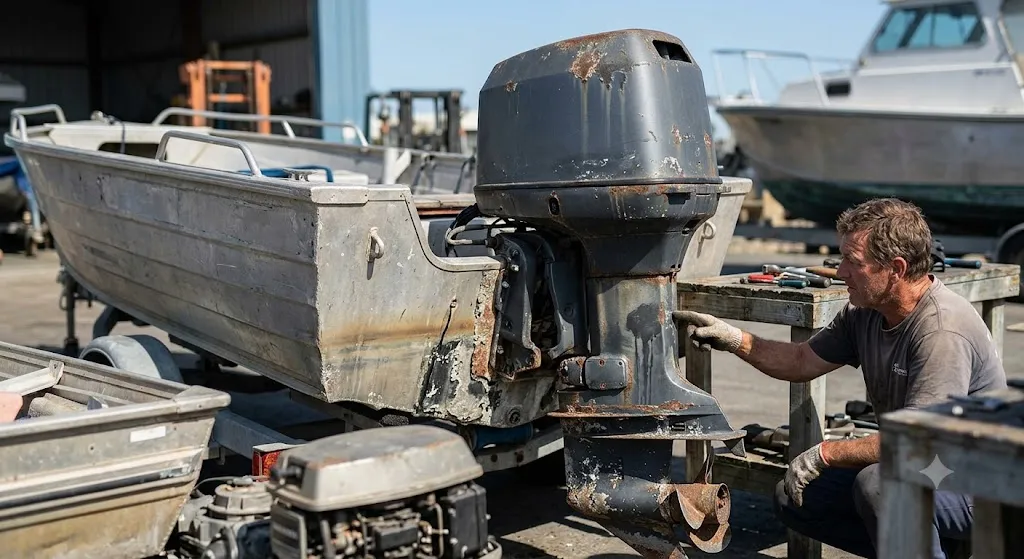
Buying a new outboard motor is not just about choosing a powerful engine. The right motor should suit the boat, the way it is used, and the conditions in which it normally operates.
Anyone comparing Outboard Motors for Sale should look at several practical factors before making a decision. Horsepower, engine weight, fuel use, maintenance needs, and typical passenger load can all influence long-term performance and ownership costs.
Begin With Boat Specifications
Every boat is designed to work within specific horsepower and engine-weight limits. These figures are usually provided by the manufacturer and should always be checked before selecting a motor.
An oversized engine can affect balance and handling. An engine that is too small may struggle when the boat carries passengers, fishing gear, fuel, or other equipment.
Consider Normal Boat Usage
The same outboard will not suit every type of boating. Someone who spends weekends fishing on calm lakes has different requirements from an owner who regularly travels offshore.
Think about how the boat is actually used. Cruising, fishing, towing, commuting, and recreational trips can each place different demands on acceleration, fuel efficiency, and low-speed control.
Match Horsepower Carefully
Horsepower plays an important role in acceleration and load-carrying ability, but the highest available rating is not always necessary. The goal should be appropriate power rather than maximum power.
A correctly matched motor can help the boat reach a comfortable cruising speed without working excessively hard. It may also provide more predictable handling when passengers or equipment increase the total load.
Think About Engine Weight
Two motors with similar horsepower can have different overall weights. That difference may affect how the boat sits in the water, especially on smaller vessels.
Too much weight at the stern can influence planing and steering. Checking the transom rating and the boat’s recommended engine-weight range helps maintain a more balanced setup.
Look Beyond Purchase Price
The cost of an engine is only one part of ownership. Fuel, servicing, parts, storage, and routine maintenance can continue for many years after the initial purchase.
A lower purchase price may not always mean lower long-term costs. Comparing expected fuel use and service requirements can give buyers a clearer picture of what an engine may cost over time.
Compare Useful Engine Features
Modern outboards can include digital controls, power trim, advanced gauges, electronic starting systems, and improved steering options. Some features can make boating noticeably easier.
Buyers considering a Mercury Outboard should compare specifications with their real boating habits. A feature is only valuable when it provides a practical benefit during regular use.
Consider Fuel Efficiency
Fuel consumption can become important for owners who spend many hours on the water. Frequent offshore trips or long cruising days can make small efficiency differences more noticeable over time.
Actual fuel use depends on boat weight, cruising speed, propeller setup, water conditions, and engine size. Looking at the full operating setup is more useful than relying on one efficiency figure alone.
Pay Attention to Maintenance
Regular maintenance supports reliable performance and can help extend engine life. Owners should understand service intervals before buying so they know what care will be required.
Routine tasks may include inspecting the propeller, checking the cooling system, replacing fluids, maintaining the fuel system, and protecting the engine from corrosion. Saltwater use may require additional cleaning and attention.
Check Service and Parts Access
An engine may offer impressive specifications, but ownership becomes more difficult if replacement parts or qualified servicing are hard to find.
Before purchasing, it is sensible to consider local service availability. Convenient access to maintenance support can reduce delays if routine work or unexpected repairs are needed later.
Think About Long-Term Plans
Boat owners should also consider how long they expect to keep their current vessel. An engine purchase may need to support several years of changing boating habits.
Someone planning to keep the same boat for a long time may place greater value on maintenance convenience and durability. A buyer expecting to upgrade soon may have different priorities.
Conclusion
Choosing an outboard motor requires more than comparing horsepower figures. Boat size, operating weight, fuel use, engine weight, maintenance needs, and normal boating activities should all influence the final decision.
A well-matched motor can improve handling, cruising comfort, reliability, and everyday usability. By considering the whole ownership experience rather than focusing on one specification, buyers can make a more practical choice for the boat and the way they use it.