

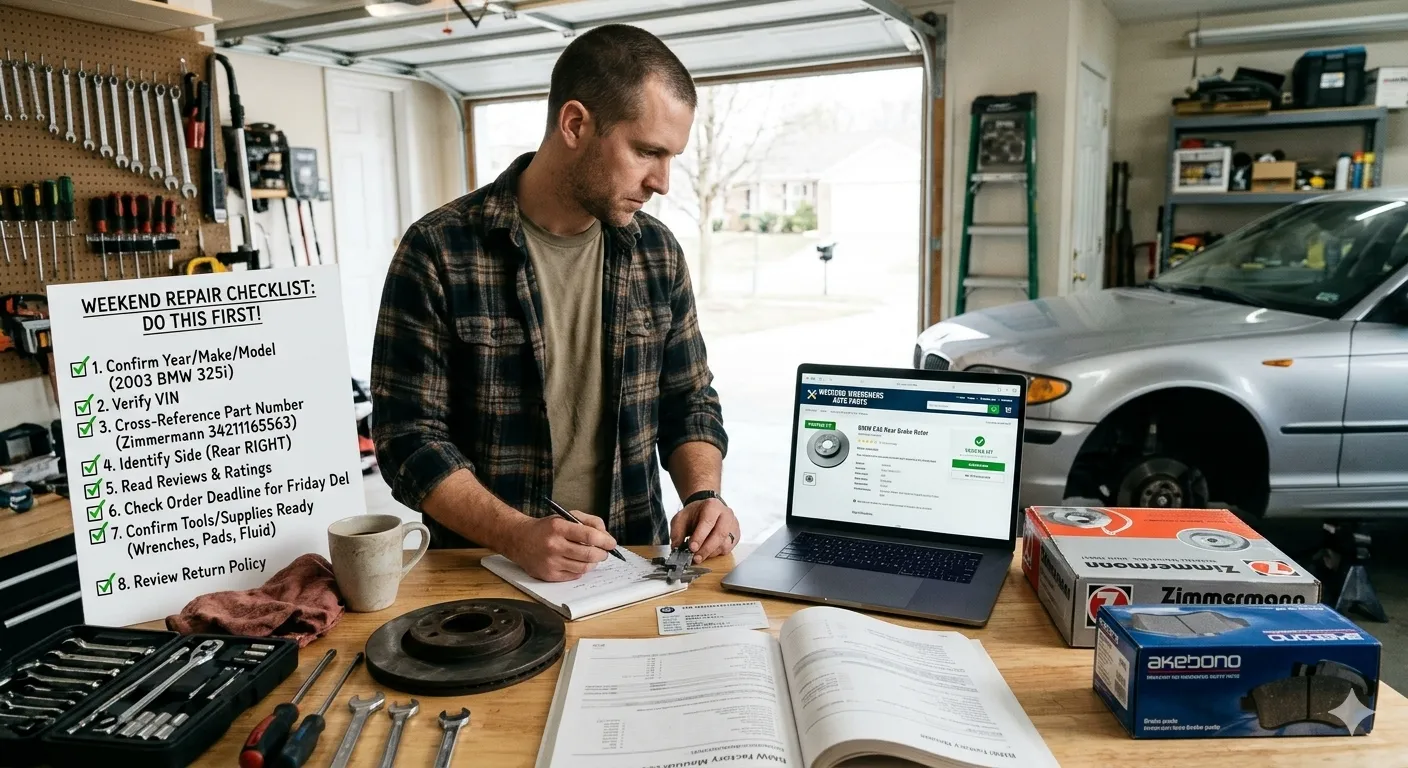
A Saturday repair can quickly consume the entire weekend when one necessary piece is missing. Ordering from an online auto parts store makes planning convenient, but it also shifts responsibility for preparation onto the buyer. The first question is not how quickly a part can arrive; it is whether the diagnosis, fitment, tools, and installation steps are understood. Home mechanics who make a clear plan before ordering are less likely to leave a vehicle dismantled on Sunday night. This choice deserves care.
Know the Limits of the Job
Begin by checking whether the repair falls within your skills, workspace, and available equipment. A simple filter change differs significantly from brake hydraulic work, spring removal, or an electrical repair requiring programming. Read vehicle-specific service guidance and identify hazards before starting. If the job requires specialized lifting equipment or safety-critical calibration, arrange qualified assistance. The desire to save labor costs should never outweigh the risks of an incorrect procedure. Recognizing personal limits helps determine when a professional should handle the repair.
Confirm the Fault First
A noisy pulley might not be the source of a squeal, and a starting problem may not mean the starter itself has failed. Basic testing and careful observation can prevent buying the wrong component. Record symptoms and any diagnostic codes, then interpret them in context. Codes identify areas to investigate rather than automatically naming the faulty part. When evidence is incomplete, a professional diagnosis may save more than the price of an unnecessary replacement. Confirming the actual fault avoids turning a weekend project into guesswork.
Build the Entire Materials List
Look beyond the headline replacement item. Some repairs require gaskets, clips, fluids, fasteners, thread-locking materials, or disposable seals. Review a service manual to see which hardware must not be reused. Organize your list by required parts, consumables, and tools. If an assembly arrives without a crucial small fitting, the repair may stop halfway through. A complete list is a simple defense against emergency store trips and improvised substitutions. Gathering required fasteners and seals beforehand prevents mid-repair interruptions. An organized workspace prevents mistakes during weekend assembly.
Measure the Delivery Window Realistically
Shipping estimates are planning aids, not promises that a weekend project will start on schedule. Allow time to inspect the delivered part and resolve a mismatch. Check the quantity, physical shape, connector, mounting arrangement, and included accessories while the original component remains available. Keep packaging intact until compatibility is clear. Starting demolition before inspecting the shipment can turn a minor ordering problem into days without transportation. Checking delivery dates beforehand helps prevent an unfinished repair from immobilizing the car. This practical approach.
Prepare the Workspace
A clean work area reduces mistakes and protects parts from contamination. Arrange lighting, containers for fasteners, protective equipment, and suitable lifting or support devices. Photograph complicated routing before removing components. Keep fluids and hazardous waste away from drains and dispose of them appropriately. A planned workspace also helps when a repair is interrupted. Labeling small hardware may seem unnecessary at first, but it can prevent a frustrating reassembly error. Labeled hardware and a tidy workspace reduce mistakes during reassembly. This practical approach.
Use the Right Procedure
Fastener torque, tightening sequence, fluid specifications, and electronic reset procedures can be essential rather than optional. Follow reliable vehicle-specific service information instead of copying a video made for a different model year. Never bypass safety steps merely to finish before dark. If a bolt feels wrong or a connector does not seat normally, stop and investigate. Forcing parts into place can cause new damage that costs more than the original repair. Following correct installation instructions protects newly purchased components. This practical approach.
Leave Time for Verification
Reserve part of the weekend for checking the result. Look for leaks, unusual sounds, loose fasteners, warning messages, and changes in vehicle behavior. Some jobs require bleeding, bedding, alignment, or system calibration before normal driving. Take a cautious test drive only when safe and permitted by the procedure. Record what you changed and whether the initial problem disappeared. A verified repair is more valuable than a hurried claim of completion. Post-repair testing must confirm that the original symptom is gone.
Conclusion
A successful home repair is planned before the first tool comes out. Accurate diagnosis, complete materials, suitable equipment, realistic shipping time, and proper service information all reduce avoidable setbacks. The job should finish with testing and a clear maintenance record. TeamVehicle can be considered during the parts selection stage after compatibility has been confirmed. When a task exceeds your skill or involves critical safety systems, qualified professional work remains the sensible choice. A successful weekend project ends with secure installation and verified operation.