

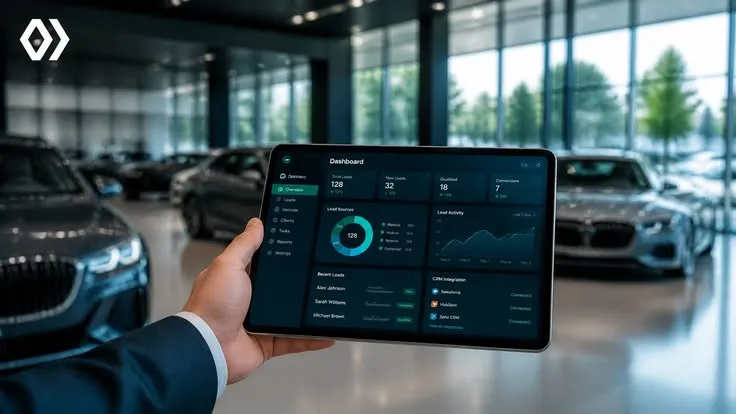
Running a car dealership involves managing sales leads, advertising campaigns, inventory, and customer relationships. However, information is often spread across multiple platforms, making it difficult for managers to understand overall performance. A CRM may show incoming leads, while advertising reports highlight clicks and impressions without clearly connecting those activities to actual vehicle sales.
This is where AI for car dealerships can support better decision-making. By connecting information from different business systems, dealerships can identify performance gaps, understand customer behavior, and respond to operational challenges. Rather than relying on disconnected reports, managers can use organized data to make more informed decisions.
Why Disconnected Dealership Data Creates Problems
Most dealerships use several software platforms to manage daily operations. Sales teams depend on CRM systems, finance departments work with dealership management software, and marketing teams monitor advertising platforms. Although each system serves a purpose, information can become difficult to interpret when records are not connected.
For example, a marketing campaign might generate hundreds of leads, but those numbers alone cannot explain how many customers eventually purchased vehicles. Without connecting advertising data to actual sales records, dealerships may continue spending money on campaigns that produce limited results. This makes accurate performance evaluation more challenging.
Understanding the Importance of Connected Data
Connected data provides a clearer understanding of how different departments contribute to dealership performance. When customer interactions, marketing expenses, inventory information, and sales transactions are viewed together, managers can identify relationships that might otherwise remain unnoticed.
For instance, a dealership may discover that certain vehicle models receive significant online attention but generate fewer showroom appointments. This information can encourage managers to investigate pricing, vehicle descriptions, availability, or follow-up practices. Such insights help businesses address specific problems instead of making decisions based on assumptions.
Turning Dealership Information Into Useful Insights
Collecting large amounts of information does not automatically improve business performance. Dealerships need reporting systems that present meaningful findings without overwhelming employees. Clear dashboards can highlight important measurements, including lead response times, advertising expenses, appointment conversion rates, and inventory turnover.
Managers can then compare results across different periods to identify patterns. If customer inquiries increase while completed sales remain unchanged, the dealership can examine its lead-handling process. Similarly, declining interest in certain vehicles may indicate changing local demand or opportunities to review inventory presentation.
Improving Marketing Decisions Through Better Reporting
Automotive advertising involves multiple channels, including search engines, social media, dealership websites, and third-party automotive platforms. Each channel provides performance statistics, but interpreting these numbers separately can create confusion about which activities are genuinely valuable.
By connecting marketing information with customer and sales records, dealerships can evaluate campaigns more accurately. Instead of focusing entirely on website traffic or lead volume, managers can examine appointment generation, customer engagement, and completed purchases. This approach supports more informed advertising budget decisions.
Making Inventory Management More Effective
Inventory management requires careful attention because vehicles represent a substantial financial investment. Cars that remain unsold for extended periods may create additional holding costs and reduce opportunities to invest in faster-moving inventory. Managers must regularly evaluate vehicle age, demand, pricing, and sales activity.
Data analysis can help identify vehicles receiving limited customer interest or remaining in stock longer than expected. These findings allow dealerships to review merchandising, pricing strategies, and promotional priorities. However, final decisions should also consider vehicle condition, local market competition, and business objectives.
Supporting Employees With Practical Technology
Technology delivers the greatest value when employees understand how to use it. Sales representatives, marketing managers, and dealership leaders have different responsibilities, so reporting tools should provide information relevant to their daily decisions. Complicated systems can create additional work instead of improving efficiency.
Training and clear procedures are equally important. Employees should understand where information comes from, how frequently it updates, and what specific measurements indicate. When staff members trust the underlying data, they are better prepared to use insights during customer follow-ups, inventory reviews, and performance meetings.
Building a More Consistent Decision-Making Process
Dealerships should begin by identifying the business questions they need technology to answer. These may include which advertising campaigns generate actual sales, why appointments are being missed, or which inventory categories require additional attention. Establishing measurable objectives helps prevent unnecessary software complexity.
Regular performance reviews also help teams turn information into action. Managers can compare current results with historical patterns, investigate unusual changes, and assign responsibilities for improvements. Consistent monitoring allows dealerships to make adjustments before minor operational concerns become larger problems.
Conclusion
Connected information can help automotive dealerships improve visibility across marketing, inventory, and sales operations. Instead of managing separate reports, businesses can focus on meaningful insights that support everyday decisions and long-term planning.
Dealer Data One offers dealership-focused technology, including Control Center and Astra, designed to bring operational information together and highlight performance opportunities. By combining reliable data with experienced management, dealerships can develop more organized workflows, evaluate results effectively, and make decisions that support sustainable business growth.